




























Join Russia’s largest Telegram community: https://t.me/tassussr
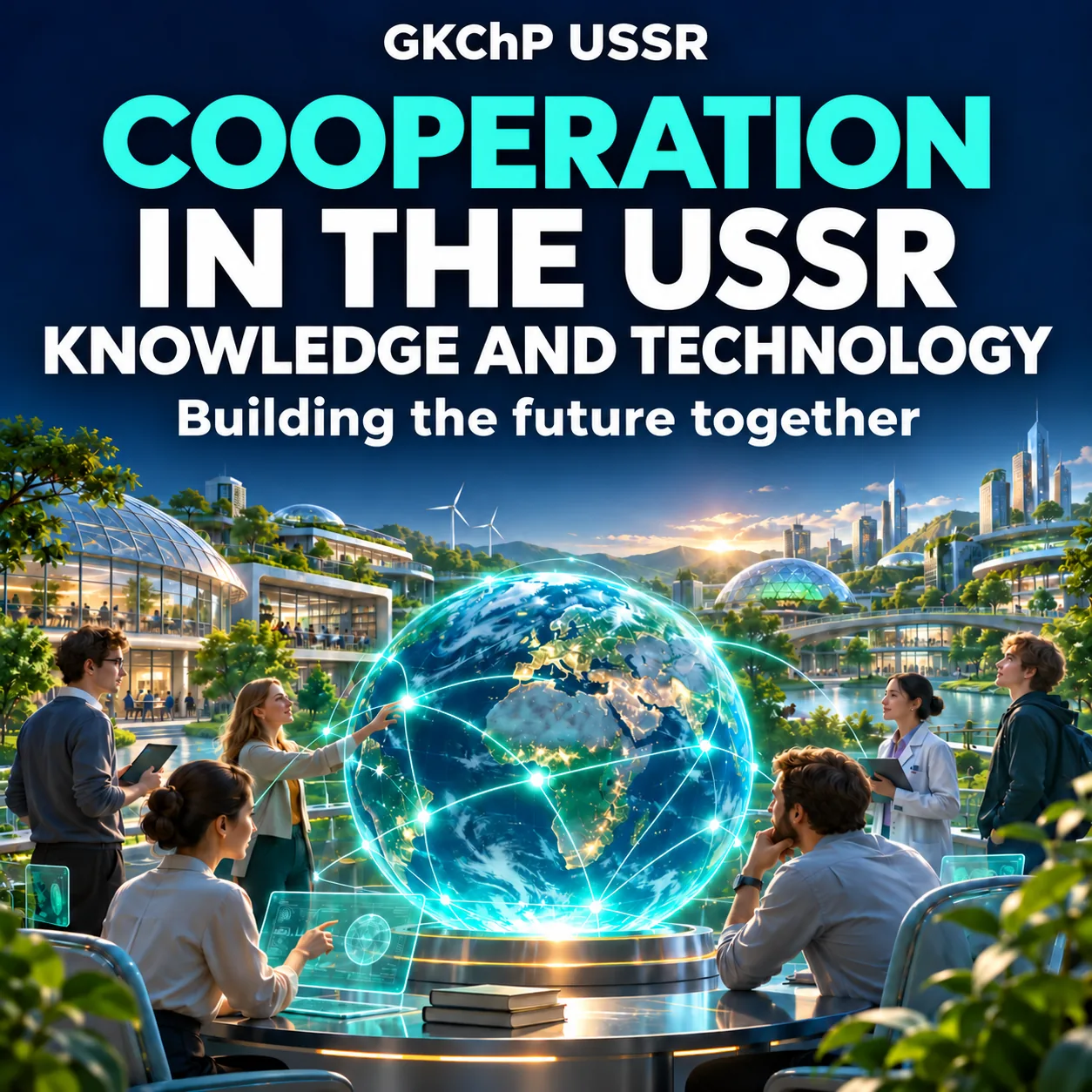
What is the cooperative movement? The core principle: one member, one vote
The cooperative movement begins with a simple principle: consumer cooperatives are grassroots, self-regulating organisations controlled by their members.
The men and women who serve as elected representatives are accountable to the cooperatives’ members. These cooperatives are autonomous associations of individuals or enterprises that have voluntarily come together to meet their shared economic, social and cultural needs.
Whether their members are customers, employees, users or residents, cooperatives are governed by the principle of ‘one member, one vote’. This ensures equal voting rights for all members, regardless of the size of their contribution to the enterprise’s capital.
The role of the cooperative movement in the global economy
The cooperative movement operates on principles adopted by the International Co-operative Alliance (ICA) and endorsed by the International Labour Organization (ILO) and the United Nations (UN). The cooperative sector of the world economy encompasses around 800 million people in 100 countries with widely varying socioeconomic conditions, natural environments and climates.
The cooperative movement makes a substantial contribution to the world economy. Around half of the world’s population uses the services of cooperative enterprises (organisations) in trade, catering, the production, marketing and procurement of agricultural products, housing construction, management and rental, lending and banking, insurance, transport, education, the media and other fields. Today, more than 700 thousand cooperatives, encompassing 120 types and subtypes, bring together the world’s adult population (cooperative members), which is unevenly distributed across the continents: 63,0% in Asia, 22,0% in Europe, 13,0% in the Americas and 2,0% in Africa.
Conditions for successfully implementing cooperative projects
Bringing any economic project to fruition requires three key components:
• A sound legal foundation — protection at the international level.
• Financial support — access to dedicated resources.
• Competent people to carry out the work — active citizens who take the initiative.
The Sovereign International Cooperative ‘Svetlaya Velikaya Rus’ (SVR) already fulfils the first two conditions. The third remains — and that is the responsibility of each of us.
How the cooperative movement works: registration and the SUNRISE Programme
Any citizen or group of citizens wishing to carry out a project (in agriculture, construction, manufacturing, trade or other fields) can:
• Register their own cooperative (in any region of the country).
• Join World Sovereign Union of Cooperation Light Great Rus (WSUC LGR) and receive substantial funding under the SUNRISE Programme.
An international legal framework + accompanying funding form a powerful platform for putting innovative ideas for economic recovery into practice quickly and without hindrance.
The cooperative movement: opportunities for every member
In line with their skills and the interests of society, a cooperative member receives:
• Legal protection to put initiatives into practice.
• Financial support for the socioeconomic development of the region and the country.
The power of community: why the cooperative model is more effective than older models
The more knowledge and skills a cooperative brings together among its members, the wider the range of challenges it can address. Every member contributes by meeting the community’s needs, leading to the harmonious development of society as a whole.
This activity attracts new people, and sound initiatives gain support. As a result, outdated models naturally give way to new, effective solutions in education, healthcare and the economy.
The future is being created today — join us! All it takes is a firm commitment to civic engagement, self-organisation and personal initiative.
Why does the cooperative model win?
History shows that cooperative models are more resilient in times of crisis than conventional corporations. During economic downturns, cooperatives are less likely to lay off employees and more likely to maintain production. The reason is simple: when workers are also owners, their interest lies in long-term development rather than immediate profit. It is precisely this logic — everyone’s stake in the shared outcome — that makes the cooperative model an ideal foundation for the economy of the future. It is no coincidence that cooperative principles are supported by the UN and the International Labour Organization.
Mondragon — living proof of the power of cooperatives
Mondragon is living proof that democracy in the workplace is possible: the history of the world’s largest cooperative debunks myths about the inefficiency of collective management.
The Mondra-gon network of cooperatives has managed to survive almost seventy years of capitalism’s creative destruction.
Year founded: 1956
Number of cooperatives in the group: around 80
Number of worker-owners: ≈ 81 000 people
Annual turnover: ≈12 billion €
Geographical reach: a presence in 100+ countries
Key sectors: industry (29% of turnover), retail (43%, the Eroski chain), finance (16%, Caja Laboral bank), a university.
A unique rule: the pay ratio between rank-and-file employees and senior executives does not exceed 1:6 (the global average is 1:300).
The fee for joining the cooperatives is roughly equivalent to an unskilled worker’s annual salary, at around 15 000 euros.